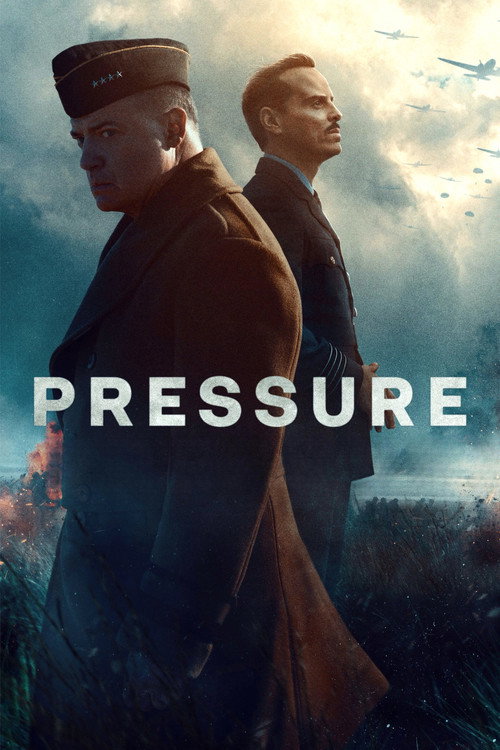
Pressure
2026 · Movie


Vumoo
Explore featured films and TV series. Find a title, read the story, and keep a few favorites for tonight.
In the tense 72 hours before D-Day, and the fate of the free world hanging in the balance, General Dwight D.
2026 · Movie

2026 · Movie

2026 · Movie

2026 · Movie

2026 · Movie

2026 · Movie

2026 · Movie

2026 · Movie

2026 · Movie

2026 · Movie

2022 · TV Series

2023 · TV Series

2023 · TV Series
2020 · TV Series

1989 · TV Series

2026 · TV Series

2026 · TV Series

2026 · TV Series

2026 · TV Series

2026 · Movie
Bring the movie selection to a smaller screen.
Read guide →Return to a film when its old address is unavailable.
Read guide →Find the source of a search or viewing problem.
Read guide →Compare the version, not just the website.
Read guide →Pressure begins with a decision carrying enormous consequences. Perfect Days finds its story in routines and encounters. Anatomy of a Fall introduces a question that changes how a family is seen. Vumoo brings different kinds of films into the same browsing experience, with the premise close enough to the poster that you can discover what actually interests you. Open a title, read its details, and explore beyond the first image.
Search movies and TV series, browse genres and original languages, compare release years, and save your choices in My List. Browsing is available without an account here. Watch Now opens a JustWatch search for the selected title in your chosen country, helping you inspect the current viewing offers. Choose the film or show first, then the version, language options, and screen that let you enjoy it.
A movie image can be beautiful, dramatic, or instantly recognizable without telling you why the film might matter to you. Open its details and look for the central situation. Who wants something? What stands in the way? What changes if they fail? You do not need the ending to understand whether the beginning interests you.
The Vumoo movie catalog gives you room to make that comparison across different genres. A large production and a modest character drama can sit alongside each other because both are possible choices. The useful question is which story you want to spend time with, not which poster occupies the most familiar place in your memory.
Read the year and format as part of the description. The same name can belong to a remake, a television adaptation, or an unrelated film. Those small details are practical when you later search inside a viewing service and need to recognize the exact work again.
Some plots reveal their appeal through a clear conflict. Others suggest a setting, a relationship, or an unusual way of observing everyday life. Do not expect every good synopsis to promise danger or a dramatic twist. A quieter premise may be the reason a film fits your attention better than another action story.
Use Save when a title interests you but you want to inspect something else before deciding. My List preserves the specific film rather than asking you to rediscover it through another broad search. That is useful when the film has a common title or appears under several translated names.
Once you know what you want, inspect Watch Now for the available offer. The catalog supplies a place to choose the work; the selected service determines the version you can play. A thoughtful choice includes both the story and the practical conditions that let you watch it comfortably.
Pressure introduces a military decision before D-Day. Its premise places a narrow period of time against consequences much larger than the people making the choice. That setup may appeal if you enjoy tension built through responsibility, uncertainty, and competing judgments rather than only through physical action.
The Brink of War offers another political situation in its description, centering on negotiations and the possibility of either agreement or disaster. The two premises illustrate how a historical setting can create very different scales of conflict within scenes of conversation.
A historical drama remains a dramatic interpretation. It may compress events, emphasize selected people, or organize complex circumstances around a clear narrative. You can enjoy the film as a story while keeping a distinction between dramatization and a comprehensive account of the real events.
Read enough to understand the period and premise without turning preparation into an obligation. If the subject makes you curious afterward, further reading can become part of the pleasure. Before viewing, the practical questions are whether the setup interests you and whether the chosen version suits your language and screen preferences.
Dialogue can carry much of the tension in these films. Check captions and sound levels when you need them. A quiet line about a decision can matter as much as a large visual sequence, so comfortable audio supports the story rather than simply making the film louder.
The Drama collection provides more films and series in which decisions and relationships take a central role. Use the individual descriptions to find the kind of pressure you want to watch, because a shared historical or dramatic label does not make every title feel the same.
Anatomy of a Fall introduces a suspected death within a family and a child facing a difficult position as a witness. The premise creates questions about events and people at the same time. Open its page if that combination interests you, without reading an explanation of the ending first.
Browse Thriller when you want tension, but inspect how each film generates it. A pursuit depends on movement. A mystery may depend on conflicting evidence. A psychological story can make a relationship uncertain. These are different pleasures even when a poster presents all of them with a similar dark tone.
For a first watch, avoid collecting too many interpretations beforehand. A review headline or a discussion about what really happened can frame every scene before you have encountered it. The title page's premise should give you enough to decide whether the film deserves your attention without resolving its questions.
Pay attention to the version and language track you choose. A subtitle mismatch or missing dialogue can be especially distracting in a film built around small details. Confirm the selected audio and captions before the story gets complicated, then let the performances and images establish their own clues.
Suspense does not have to mean constant intensity. Some films are patient, allowing uncertainty to grow through ordinary situations. If you prefer immediate momentum, read the setup carefully before choosing a slower mystery on the strength of a rating alone.
After watching, discussion can add another layer of enjoyment. Compare interpretations when you are ready, and use the film-discussion guide for thinking through recommendations and conversations. Before watching, preserve the part of the experience that belongs to discovering the film yourself.
Perfect Days introduces a man in Tokyo whose routines include work, music, reading, and observing the world around him. The interest in that premise comes from attention rather than spectacle. It offers a different kind of movie choice from a story organized around an urgent mission.
A character film may reveal itself through repeated actions, pauses, or changes in a relationship. The absence of a large plot summary does not mean nothing happens. It can mean the film asks you to notice how a person responds rather than simply what event comes next.
Choose this kind of story when you can give it room. Frequent interruptions can make a patient film feel less involving, while a focused viewing can reveal details that would be easy to miss in the background. This is a matter of fit for your circumstances rather than a test of how seriously you watch cinema.
Music and ambient sound may be part of the atmosphere. Use a comfortable listening setup and inspect the selected audio track if sound feels wrong. Captions can help when needed, but a film's nonverbal details may also carry meaning beyond the words on screen.
Do not feel obliged to choose a quiet film simply because it is highly regarded. Save it if the premise appeals but your current attention belongs elsewhere. The catalog makes it easy to retain that interest while choosing a more energetic story today.
When a film like this stays with you, identify what you enjoyed: the setting, the routine, the performance, or the way it noticed ordinary life. That is a more useful starting point for another discovery than expecting every film in the Drama collection to reproduce the same effect.
The Romance collection can lead toward a joyful meeting, a difficult attachment, a relationship under pressure, or a memory that changes someone's life. The broad category does not tell you which emotional direction the film takes. Read the central situation before choosing for a shared evening.
Portrait of a Lady on Fire introduces a painter and the task of making a wedding portrait in an isolated historical setting. Amélie presents a different setup involving a shy woman, her interest in helping others, and the possibility of her own relationship. Their descriptions suggest distinct kinds of attention and tone.
Comedy can be part of romance without making every situation light. Embarrassment, misunderstanding, and a clash of expectations can be funny, uncomfortable, or both. If you are choosing with another person, discuss the kind of humor you enjoy rather than assuming any romantic comedy will meet the same expectations.
Subtitles and original voices can make a difference when much of the appeal lies in dialogue and performance. Check the edition offered by the viewing service. A translated description here does not establish that the audio is in the same language or that a particular dub is available.
Read content information when a title's subject matter could affect your choice. Romance is not an age classification, and a gentle-looking poster may accompany mature themes. The specific film and its actual viewing edition are what you need to consider.
A rewatch can be especially rewarding for relationship stories. Knowing the outcome can make you notice gestures, hesitations, and early conversations differently. Keep the title and year when finding the film again so you return to the production you meant.
A speculative setting can turn an ordinary question into something unfamiliar. How does a society organize itself? What responsibility does one person have? What changes when the rules of a familiar world stop applying? Browse Fantasy and the wider genre selection for premises that make you curious in that way.
The Fifth Element introduces a futuristic taxi driver drawn into a much larger task. Snowpiercer describes a society confined to a moving train after catastrophe. Both use science-fiction settings, but the situations create different kinds of conflict.
Do not assume every imagined world requires studying a long franchise history. Many films establish their own rules within the feature. If a title is connected to a series or earlier film, its description and full name can help you recognize that relationship before beginning.
A larger screen can make production design and visual detail easier to appreciate, but the right viewing offer still matters. Check quality, subtitles, and supported devices rather than deciding that a dramatic poster guarantees the same presentation from every service.
Animation is another way to enter imaginative settings, but it is not automatically the same audience choice as live-action fantasy. Inspect the specific story and content information. A beautifully designed world can contain themes or intensity that are unsuitable for a particular group.
Follow the aspect that interests you most. It might be adventure, political tension, humor, or the experience of seeing an unfamiliar place. That gives your next browse a useful direction without reducing every science-fiction or fantasy movie to the same kind of spectacle.
Use Languages to explore original-language collections. A thriller, romantic drama, comedy, or animated film can provide a familiar entry into a new setting. Choosing a type of story you already enjoy can make international browsing approachable without asking you to know an entire film tradition first.
A translated title may differ sharply from the original name. Search both when you know them, and compare the release year. Some films acquire different English titles in different places, while remakes can reuse a familiar name. The synopsis helps you establish which work you found.
Language and country are related but separate details. Films can use several spoken languages or involve production across borders. The original-language collection introduces the work; it does not promise a particular country's viewing offer or a specific set of subtitles.
For Indian cinema, use the language information rather than treating every film as Bollywood. Hindi, Tamil, Malayalam, Kannada, and other languages belong to varied productions and audiences. A dubbed release may be useful for your needs, but it is a different detail from the film's original language.
Original audio can preserve a performance's timing and voice, while dubbing may let someone enjoy a film without reading throughout. Choose the version that makes viewing comfortable. Inspect the actual offer before beginning, especially if several people need different language support.
A film can make you curious about another place without becoming a lesson about it. Follow the characters and situation first. If its setting or references interest you afterward, that curiosity can lead to another film or further reading at your own pace.
The Years pages are useful when you want to browse a period or separate productions sharing a title. A year can distinguish a remake from its original and help you recover a film you associate with a particular time. It is a small detail with a practical role throughout the search.
A recent digital offer may belong to a much older film. A restoration, rerelease, or newly available edition does not change the work's original release year. That difference can be a good reason to revisit a classic, especially when the version now available better suits your screen or language preferences.
Inspect the edition at the viewing destination when a specific cut matters. A theatrical release, extended version, or alternative edition may have a different runtime and include different material. The catalog title identifies the film, while the offer determines the version you actually watch.
International versions can add another layer of naming. The dubbed edition may use different wording, and the artwork may differ from the poster you recognize. Compare the story, year, and edition rather than assuming that a changed image means a different movie.
If time is limited, check the actual runtime before you begin. A familiar film may have an edition longer than the version you remember. Choosing deliberately leaves room for the complete story instead of discovering midway that you need to stop before the ending.
For a film you want to share, send the specific title page or full title and year. That helps another person find the same production even if their viewing service uses different artwork. An accurate recommendation remains useful across those presentation differences.
Vumoo search matches title and original-title wording. Use it when you know a movie or series name, or when you have a distinctive part of the title. Keep the query focused on the name rather than adding a desired resolution, a device, and a streaming service to the same phrase.
Separate controls handle format, genre, and year. Choose movie or television when the name is shared across both formats. Use a genre to inspect related stories, and use the year when you want a particular production or release period. The controls help express preferences that are different from the title itself.
Sorting gives the selection another useful shape. Alphabetical order can make names easier to scan. Release-date order helps explore newer entries. Popularity and rating provide different starting points when you want to browse without a precise name.
If no results match, relax a filter before making the query more complicated. A series may be listed under its first-release year, not the year of its current season. A film might use an original or translated title different from the wording you entered. Broaden the search enough to recognize the right work.
A filtered result can be useful to revisit, but an individual title page is usually better when recommending a specific film. It carries the description and year alongside the name. Save the title once you have found it rather than depending on the same search order next time.
If the premise matters more than a name, start from Genres instead. Browse the appropriate category and open descriptions that interest you. The search tools can narrow a choice, while the story gives you the reason to make it.
The Top rated page helps you explore titles with high audience scores in this catalog. Those displayed ratings come from TMDB, The Movie Database. They are not IMDb scores, even if you arrived looking for top IMDb films.
A score can suggest that a film is worth investigating, but it cannot predict whether you will enjoy its tone. A demanding drama and an energetic adventure may have similar ratings while asking for different evenings. Read the synopsis and relevant content information alongside the number.
Trending gives you another selection when you want to inspect prominent titles. It can surface something you have repeatedly seen mentioned without yet exploring. Treat the placement as an invitation to open the film, not proof that it is available everywhere or right for every viewer.
Latest points toward newer catalog entries and recent release information. A film can appear under a current year before the viewing offer you prefer is available in your location. Check Watch Now when the question is whether you can watch it tonight.
Older films remain new discoveries when you have never seen them. A release date should help identify the work, not automatically decide its relevance. A classic you missed may fit your current interests better than the newest title in a featured row.
Move between these collections according to what you need. Ratings offer audience context, recency offers a period, and the synopsis offers the story. Their value comes from using them together without asking any single label to make the entire decision for you.
The TV Shows catalog provides a separate entrance when you want a series. A show can let relationships change gradually, return to a familiar setting, or develop a mystery across several evenings. Open the series page to understand the premise before deciding how much time you want to spend with it.
A movie and television adaptation may share a name while telling the story differently. Compare the format and first-release year before selecting. The series page identifies the show, while the viewing provider's season menu identifies the episode that will actually play.
Some series are strongly serialized, making earlier details important later. Others provide more self-contained episodes while slowly developing a recurring cast. That structure affects how easily you can return after a gap. Choose the rhythm that fits your habits rather than assuming every series demands the same commitment.
Inspect season coverage at the viewing destination. One service may carry a limited selection, and different regions can have different offers. A show's title appearing in a search does not establish that the newest season or every special is included.
My List saves the series here but does not keep an episode history. Use the viewing service's progress features if it supplies them. If you change services or profiles, retain the last completed episode separately and confirm the next one before resuming.
For a recent series, release schedules can be staggered. Check the provider's published information instead of treating an absent episode as a playback fault. Netflix explains missing episodes and seasons for its own service; other providers use their own arrangements.
Vumoo browsing is free and does not require a subscription here. You can search movies and TV, explore title details, and save My List without payment. The conditions for watching the chosen film depend on the offer supplied by a separate viewing service.
Watch Now opens a JustWatch title search for your selected country. Inspect the offers presented there and check whether they are free, advertising-supported, included with a subscription, rented, or purchased. A catalog entry is not a promise that every provider has a free version.
Free viewing can come with advertising or another access condition. A library service may require an eligible membership, while another provider can have its own account requirement. The offer should tell you what applies. Price alone does not describe picture quality, captions, or supported screens.
If you already subscribe to a service, check included options before paying for a rental elsewhere. A provider may present several offer types for the same film. Confirm which one you are opening, including the edition and any time limits shown by that service.
For an international film, language support can decide which offer is suitable. A free option without the required captions may be less useful than an offer that lets everyone follow the story. Compare the actual version rather than choosing solely from a familiar service name.
If a film is unavailable in a convenient form, save it and explore another title you want to see. Viewing offers can change, and the original interest remains worth keeping. A saved page is a reminder, not a reservation or a guarantee that today's price will remain.
For television, check the season rather than assuming a free episode represents the whole run. Promotions and limited selections can sit alongside paid access. The relevant question is whether the part of the show you intend to watch is included in the offer you chose.
Open Country to choose the region used for Vumoo's Watch Now links. Select where you plan to watch. The preference helps the linked search open in the appropriate market instead of leaving you to interpret an offer meant for someone elsewhere.
This setting is not a production-country filter. It does not restrict the catalog to films made in that country or change the original audio of a movie. Original-language browsing is available separately through Languages, and the actual viewing service lists the tracks included with its offer.
A film can have different providers and prices in the United Kingdom, United States, India, or another region. A recommendation from a friend can be useful while describing availability that differs from yours. Confirm the offer in your own location before making plans around a particular service.
The country preference can persist in the current browser when storage is available. Recheck it when changing browsers or viewing locations. A saved preference is convenient, but it should still match the circumstances in which you plan to watch.
If an offer does not appear, inspect the title search and country together. A namesake or translated title can produce confusion that looks like an availability problem. Confirm the correct film and edition before deciding that the service has no relevant result.
Following a regional search does not alter a provider's own access conditions. It helps you inspect the appropriate choices. The selected service remains the place to confirm whether its offer can play on your account, device, and connection.
Original audio, dubbing, and subtitles provide different ways into a film. Original voices preserve the sound and timing of the first performances. A dub can make it easier to watch without reading. Subtitles can translate dialogue or help clarify speech in a language you already understand.
Check the actual player or offer before starting. The original-language information on Vumoo identifies the work; it does not list every playback track supplied by every service. A film can have different subtitle and audio combinations across regions, providers, and editions.
If you are watching with someone else, decide which combination works for both of you. A preferred dub and a particular subtitle language may not be available together. Confirming the options early is easier than comparing editions after you have already begun following the characters.
Readable text matters. A service may let you change subtitle size, background, or contrast. Use those controls when available for the screen and viewing distance you have. A subtitle setting comfortable on a laptop may be hard to read on a television across the room.
If captions fall out of time, inspect the selected track and edition. Some players offer a timing adjustment, while others require choosing another track or supported offer. A mismatch between different cuts may not be solved by reloading the same page repeatedly.
If a language is missing, consult the viewing provider's help. Netflix's audio and subtitle explanation describes factors such as title, region, preferences, and device for that service. Use the guidance for the provider actually playing your film.
After casting or moving to a TV app, check the language choices again. The receiving device can have a different menu or retained preference. Confirm the opening dialogue and text on the final screen before letting the story continue.
Different viewers need different information from a film. Closed captions can include sound cues and speaker identification. Audio description adds spoken information about visual events. These features are separate from a basic translated subtitle track, so inspect the service's accessibility information when they matter to your viewing.
The title appearing on Vumoo does not guarantee the same accessibility features in every offer. A service can provide a suitable track for one edition and different options for another. Check the exact movie or episode, language, and device before deciding that an offer meets your needs.
Apple explains how to identify closed captions, subtitles for deaf and hard-of-hearing viewers, and audio description in its TV app accessibility guidance. The relevant labels and language details belong to the selected title in that app.
Tubi also provides audio-description guidance for supported content and devices. These examples show why the provider's own help is useful. One service's available track or supported screen should not be assumed to apply to another provider.
Test the feature in the player before settling in for the full film. Confirm that the intended track is active and comfortable. If more than one person is watching, make the setup work for the group rather than discovering midway that an essential part of the story is inaccessible to someone.
When comparing viewing choices, accessibility can be the deciding factor ahead of price or maximum resolution. A suitable offer is one that lets you follow and enjoy the work. Keep the title saved while checking another version if the first option does not provide what you need.
HD means high definition, with 1080p commonly described as full HD. Consumer 4K offers a higher image resolution on compatible screens. These labels are useful when comparing offers, but the actual picture also depends on the source, compression, player, device, and connection.
Inspect the film's quality information on the viewing service. The Vumoo catalog does not guarantee one resolution for every title. A provider may have requirements for the subscription plan, supported browser, app, or television before a higher-quality version can play.
A larger screen can make detail more visible, particularly in landscapes, animation, or carefully composed images. On a phone, stable HD may already be comfortable. Choose the version that plays reliably rather than forcing the highest setting through repeated pauses.
High dynamic range, or HDR, concerns brightness and color presentation rather than pixel count alone. A 4K label does not guarantee every HDR format. The film, service, and display need to support the relevant features together, so use the provider's requirements to understand your setup.
Older films can look excellent in a suitable restoration, while a recent film can suffer from heavy compression. Visible grain may belong to the original image rather than indicate failure. The aim is a stable, correctly presented picture, not to make every movie look as though it was photographed in the same way.
For an example of the dependencies involved, Netflix's quality guide explains its title, plan, and device requirements. Consult the relevant provider's guidance when the quality is lower than expected. The available controls belong to that player, not a universal Vumoo resolution switch.
Vumoo works as a website on a mobile browser, with the same title details and saved-list action. Search a recommendation on your phone, read the premise, and keep the film in My List. A tablet can provide more room for reading descriptions and comparing title artwork while remaining easy to use away from a desk.
The App and mobile guide explains supported browser access. If your browser offers a home-screen shortcut, use it for a convenient return to the catalog. Apple documents the Safari option in its iPhone website shortcut instructions.
A shortcut does not create a separate movie service or synchronize your browser list with every device. It opens the pages you chose. Keep using the same browser and profile if you want to return to the titles stored there.
No Vumoo APK is needed for this browsing experience. An APK is an Android package file, and app listings using a similar name may be unrelated products. The guide here does not supply an Android installer. Start with the website and the supported browser options when your goal is catalog access.
For mobile streaming, inspect the selected provider's data and quality settings before a long film. Watching video uses data according to duration and the delivered quality. The amount required to browse posters is not a guide to the amount needed for a full movie.
If you want offline viewing, use a download feature offered by the chosen service where supported. Check the actual film, device, storage needs, expiry, and language tracks. My List and a browser shortcut do not store a video file.
Open a supported download inside the viewing app before relying on it for travel. Confirm that it has finished and contains the version you intended. That small check is useful when the next opportunity to troubleshoot would be on a train, flight, or another place without a reliable connection.
A phone or laptop can be the easiest place to find the movie, while a television can be the most comfortable place to watch it. Identify the title and provider first, then use the viewing service's supported TV app or streaming device. Keep the film's year available if its name is shared with another production.
A TV browser displaying the Vumoo catalog does not establish that every linked video player will work there. Services set their own device and browser requirements. If the external player fails, check the provider's supported television options before assuming the movie itself is unavailable.
Casting and AirPlay can help when supported by the selected app and devices. Google's Cast connection help and Apple's AirPlay guidance explain the relevant device checks. A compatible receiver does not make every service support the same method.
Screen mirroring can behave differently from sending video through an app's supported casting control. Quality, subtitles, and playback buttons may not transfer identically. Use the provider's recommended approach and confirm the actual result on the television.
Check sound, captions, and framing from the place where you will sit. Some films use an aspect ratio that leaves borders on your display. Zooming to eliminate every border can crop part of the image, so inspect the appropriate setting before changing the presentation.
Keep the title page on your browsing device as a reference if needed. It can help you compare the edition after a service search, while the television handles the actual viewing. My List remains a browser feature here and does not automatically become a saved list inside the provider's app.
Use the saved action on a title page when a film interests you. My List collects those entries in the current browser, giving you a direct place to return. It can hold a film you intend to watch, a favorite you want to share, or a series you are considering for later.
The list uses browser storage rather than an account. It can persist when you reload or return in the same browser profile, while private browsing, clearing site data, or changing devices can produce a different list. Keep important title names separately before making those changes.
If storage is unavailable, the page can display a message that the change could not be saved. Read that message before assuming a title was retained. A temporary failure to load the catalog can also prevent the list from displaying, so distinguish an error from a truly empty selection.
Use the saved control again to remove a title. A useful list reflects your actual interests, which can change after reading more or watching the film. You can retain favorites for rewatching without treating every older saved entry as unfinished work.
Saving a movie does not reserve a viewing offer, download the film, or preserve today's rental price. Saving a series does not record its completed episodes. Check the current offer when you return, and keep playback progress with the viewing service.
When recommending something to another person, share the title page or the full name and year. That helps them find the same work without requiring access to your browser list. Each person can keep their own saved choices while discussing the film together.
Notice which part of the experience fails before changing settings. An empty Vumoo search, a page that will not load, a failed viewing offer, and a buffering player are different problems. The help guide addresses browsing and viewing questions with that distinction in mind.
If search has no results, clear a restrictive filter and try the title or original title again. If the search cannot load at all, reload the page and check whether another catalog page opens. The displayed message can help separate a failed request from a query that simply matches nothing.
If video starts but repeatedly pauses, inspect the provider's automatic quality or lower-resolution options. Check the wireless signal and other large transfers on the connection. Try another title with the same service to see whether the problem is limited to one film or affects playback more widely.
A numbered server selector on another website belongs to that site's playback system. Vumoo's links here open viewing searches, not controls for a set of owned movie servers. The selected provider is the useful place for support concerning its stream. Netflix's buffering guidance is one provider-specific example.
If the picture moves but the sound is absent, inspect mute, volume, the selected audio track, and the output device. A phone may still be connected to headphones, or a television may be sending sound elsewhere. If only captions fail, check the subtitle track rather than treating the whole connection as broken.
Keep an error's exact wording if you need help. Include the title, service or page, device, and whether another film works. A precise description of the symptom is more useful than making several unrelated changes and then trying to remember what happened first.
Bookmark the address you use when you want to return to the same catalog. Searches for Vumoo can include endings or terms such as live, to, or VIP. Those words in a search or address do not establish a live-channel service, a premium membership, or a shared operator. Inspect the actual page and its available actions.
The Domains guide helps with older links and address questions. If a film link stops opening, return to the homepage and search the title again. Similar branding at another address does not transfer your browser list or guarantee the same catalog.
For an alternative, start from the film version you need. The Alternatives guide provides a way to consider country, price, subtitles, quality, and supported devices. A suitable offer for the particular movie is more useful than a broad claim about an enormous library.
Vumoo Reddit discussions can concern recommendations, older addresses, or playback complaints. Read dates and context before applying an old comment to a current service. A recommendation can help you discover a film while still requiring you to check its actual viewing offer.
For managed networks, use an allowed connection and the provider's supported access methods. Opening the catalog does not change a film's regional availability. If you need browsing help, use Contact with the page and exact action that failed, leaving account passwords and payment details out of the report.
The most useful film suggestion explains why the story might appeal: its atmosphere, characters, humor, uncertainty, or images. Follow that interest into the title page, inspect a suitable offer, and choose the version that gives the film a fair chance to hold your attention.
Browsing, title search, genre collections, and My List work without a Vumoo account. Saved titles use the current browser's storage. The separate viewing service you choose through Watch Now may require an account or payment according to its own offer.
Find a film in the catalog and open Watch Now to inspect current offers through JustWatch for your selected country. Some offers may be free or advertising-supported; others may require a subscription, rental, or purchase. Confirm the actual edition and access conditions before watching.
Watch Now opens a JustWatch search for the title and viewing region. The selected service supplies the video player, audio, captions, and quality settings. A movie appearing in the catalog does not guarantee that every service offers it or supports the same playback features.
Compare the full title, release year, format, and synopsis. Use the year filter when needed, and inspect the edition at the viewing destination. Artwork can differ across releases, so a familiar poster alone is not enough to establish the exact production or cut.
No. Country selects the viewing region for Watch Now searches. Languages groups titles by original-language information. Neither guarantees a particular dub or subtitle track. Check those options in the actual offer provided by the service you choose.
Resolution depends on the film's actual offer, edition, provider, plan, and supported device. Inspect the viewing service's quality information before choosing. The catalog's artwork does not guarantee a particular resolution, and HDR support is a separate detail from the pixel count.
Choose a viewing offer that supplies the accessibility features you need for the exact title and device. Caption languages and audio-description tracks vary between services and editions. Inspect the provider's title information and test the selected track before beginning the full film.
No APK is required to open this website. The App guide explains supported mobile browsing and home-screen shortcuts. A shortcut returns to the catalog; it does not download movies or add a separate playback service. Offline viewing must be supported by the selected provider.
My List stores titles in the browser and profile you use. It does not automatically synchronize to other devices or record episode completion. Keep important titles separately before clearing browser data, and use the viewing service for playback progress where that feature is available.
Check whether the issue concerns the Vumoo page or the external service. For buffering, inspect quality, wireless signal, and other network activity, then test another film on that service. For sound or caption problems, check the relevant track and device output before changing the whole setup.